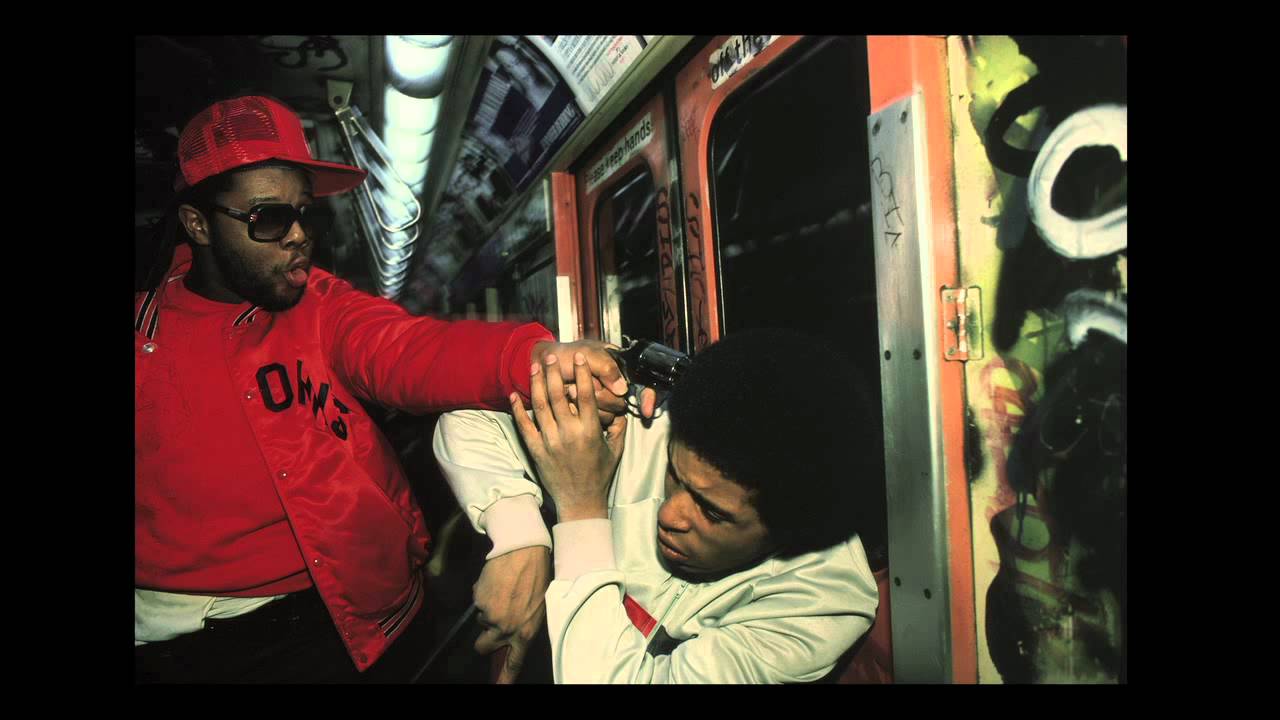
Portraiture is the artistic representation if a person and to display emotions and feelings . The main focus of a portrait is to portray a person in a specific way with hints to their characteristics, mood and likeness.

This image i believe fits the term portrait as it captures a sense of frustration and maybe anger that this young tribal child may have with intense detail and focus
This portrait of Sir Winston Churchill was taken by Yousuf Karsh in a mid war effort to boost the countries moral and drive to help increase the war effort.
this portrait give the sense of an ominous strong force who is at the head of our country. his posture is upright indicating strong stability with his cane adding to that stature.

Man Ray (1890-1976) was an American visual artist who spent most of his career in France. He was a significant contributor to the dada and surrealist movements, although his ties to each were informal. He produced major works in a variety of media but considered himself a painter above all. He was best known for his photography, and he was a renowned fashion and portrait photographer. Man Ray is also noted for his work with photograms, which he called "rayographs" in reference to himself.
 His work is the ideal standard for the combination of both creativity and technicality in distortion and surrealism photography. Because of this, I will aim to create a similar standard of creativity and professionalism in my work. |
AO1: Develop ideas through sustained and focused investigations informed by contextual and other sources, demonstrating analytical and critical understanding.
Contact sheet:
Best images


Series: "A cup full"


Camera settings
the camera for "Who am I" and "A cup full"
AO3: Record ideas, observations and insights relevant to intentions, reflecting critically on work and progress.
Ideas and interpretations:
Series: "Who am I"
My own interpretation of this series was that you don't know the true identity of the person behind the image. The use of glassware in terms of the distortion of identity as a result of brands ideologies and modern fashion communities. The denotation of a distorted faces leads to the connotation tat when people use these aftershaves and branded objects, it hides their true identity and distorts persons true personality. In each image there is one or more things changes by using the position of the aftershave bottle to manipulate the shapes and angles present within the image. This leads to how brands change our identities to feeling like we are perfect with our imperfections like the modes we see endorsing them.Series: "A cup full"
This series was inspired by the glass images that Man Ray had taken. I have used a glass to again distorted the image but this time with the glass in full view with the action of light and how that changes the perspective of the focus and technicality of the image. With this series i deiced to use the science of photography and incorporate that into a portrait series. instead of having interpretive connotations this series was purely about the technical applications of reflects on bodily distortion.
Series: "The same mood"
Personal comment:
this image was created based on the work of Thomas Ruff and how he use expressionless faces to create a cold and mundane impression to the viewing audience
AO4: Present a personal and meaningful response that realises intentions and, where appropriate, makes connections between visual and other elements.
These are my best images.